Thursday, 16 September 2021

Dagger Moths

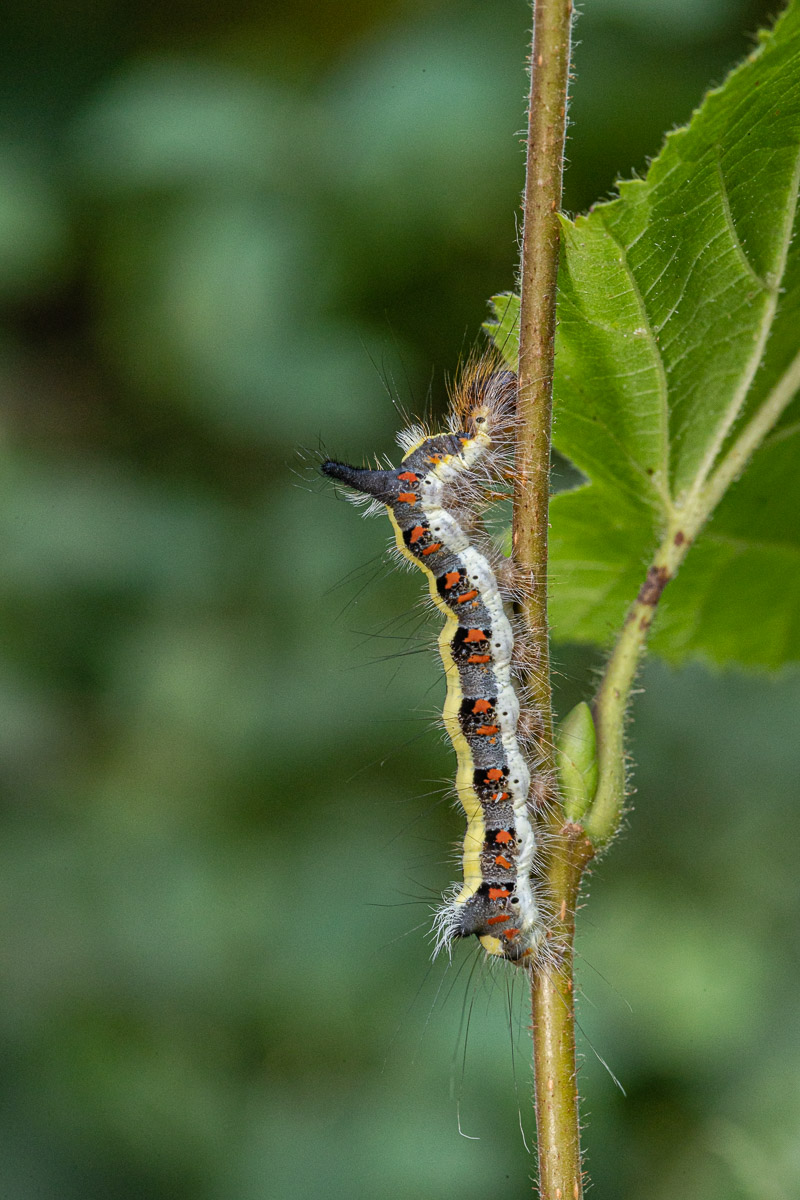
Acronicta psi, otherwise known as the Grey Dagger Moth, is a distinctive medium-sized insect found across the Northern hemisphere. They're called Dagger Moths after the black markings on the front wings.

The caterpillars are vividly coloured, covered in white and black hairs. Grey Dagger caterpillars feed on the leaves of deciduous trees, such as Birch, Apple, Blackthorn and Hawthorn. They're not considered serious garden pests.

Most often, Grey Dagger Moths are found in woodland or habitats containing abundant food. This means that sometimes they'll end up in gardens and hedgerows.  I found this caterpillar in the garden in Shrewsbury on a Beech leaf.  The flowers on the mint attracted many bees. 


Sunday, 5 September 2021

Cambridge

I did not venture into town until midday to  source some oil to treat my deep burn to my wrist that I sustained a week ago.  Many people were enjoying the sunshine and a long trail of tourist were being led along the narrow streets.   The light was harsh and not the best for photographs.


Friday, 3 September 2021

Grantchester Cambridge

Tranquil Grantchester is a quaint village with many thatched cottages beside the River Cam and a popular place to visit.  It has medieval Church, and several pubs and the last time I counted I made it seven.  There is even a Gin distillery.

It’s known for the Orchard Tea Garden that is open all the year round, a place frequented by the 1900s Bloomsbury Group and former village resident, poet Rupert Brooke. I met some friends there and we decided the green deck-chairs in the orchard were not that comfortable. Currently the village is used as a film set for the British ITV detective drama called "Grantchester" set in the 1950s.  One of the houses next to the church has been named "the Vicarage" and is decorated in plastic wisteria and plastic hedge foliage, ot exactly in keeping with the village and the expensive houses.  The real vicarage is owned by Geoffrey and Mary Archer.


Monday, 23 August 2021

Summer Leys - Northamptonshire OS Map Reference SP 886 634

Summer Leys is a local nature reserve at Wollaston in the Upper Nene Valley, in Northamptonshire. It is owned by the Wildlife Trust for Bedfordshire, Cambridgeshire and Northamptonshire.  The RSP Nature group met to enjoy what the reserve had to offer.

This large, ex-gravel pit is made up of a main lake with gently sloping banks, shallow areas of water and ponds, low lying islands, a large scrape and a fringe of reeds surrounded by grassland and wet woodland. This is ideal habitat for wintering birds: goosander, wigeon and gadwall reach nationally important numbers, joined by large numbers of roosting lapwing and golden plover. We saw many Bullfinches, BlueTits and Goldfinches.

Wading birds use the scrape and the shallow lake margins. Oystercatcher, ringed plover, little ringed plover and redshank stay to breed, while whimbrel, turnstone and common sandpiper often pass through during migration. Numerous pairs of common tern nest in a colony on the islands, the reserve management usually cut back vegetation each autumn to keep them safe, and every few years we re-profile the wader scrape.  

Otters are rare but regular visitors to the reserve, while the taller reeds and rushes around the lake may reveal the ball-shaped woven nests of harvest mice. We did no see any.  Sixteen species of dragonflies and damselflies have been recorded here and it is one of the best places to see the uncommon hairy dragonfly, which dances around the edges of Marigold Pond in May and June. It was a hot day and the dragon flies flew at speed round the water edge in the morning but were no where to be seen in the afternoon.   Late spring sees hobbies hunting insects over the reserve.

Kim’s Corner, a fragment of species-rich neutral grassland, is a good place to watch butterflies. In late summer, it comes alive with the songs of grasshoppers and crickets. In the summer the area is haycut, followed by sheep grazing. To maintain the open natures of the lake banks, the management teams coppice willow and cut back other vegetation and remove encroaching scrub.   

It was a splendid reserve with lots of insects. 


Friday, 23 July 2021

Bradfield Wood Suffolk

Bradfield Wood is a working wood that is unique as it has been under continuous traditional coppice management since 1252, fulfilling local needs for firewood and hazel products.  it is one of Britain's finest ancient woodland and is a glorious haven for wildlife.  Coppicing is a traditional method of woodland management where stems are cut at ground level promoting vigorous re-growth.  Some Ash coppice stools in Bradfield Wood are thought to be over 100 years old. As the coppice shoots regenerate their dense bushy growth provides excellent cover for migrant songbirds such as Garden Warbler, Blackcap and Willow Warbler. Mammal including the Stoat, Yellow-Necked Mouse, Dormouse and Badger are also resident.  

On sunny Summer days the sheltered rides create the prefect habitat for butterflies, of which there are recorded 24 species. Of special note is the White Admiral butterfly which can usually be seen sipping nectar from the flowers on brambles or lone may get a glimpse of the Purple Hairstreak in the canopy of the Oaks. I was not lucky enough to see these two species.

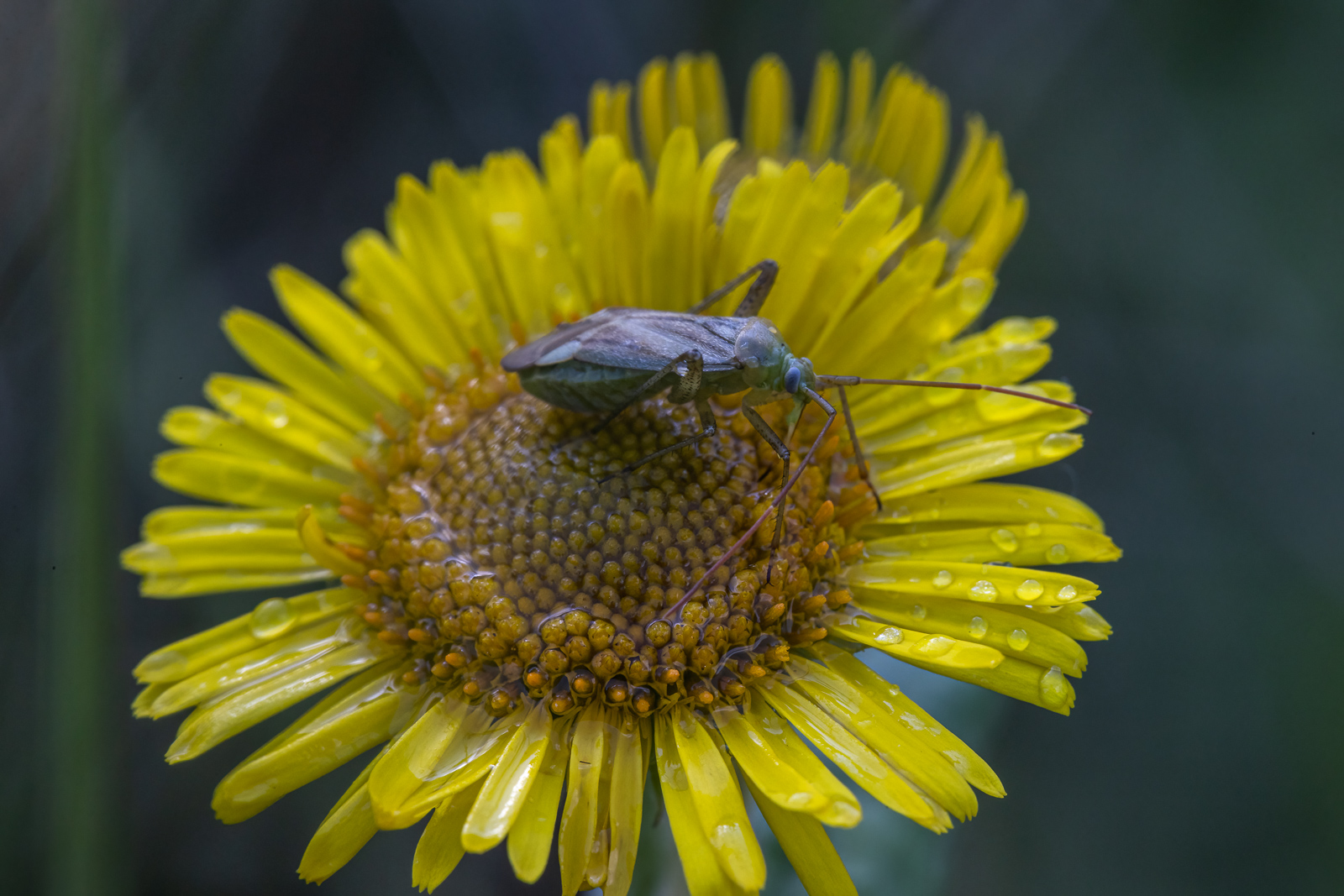
The day we visited was dull and cool and our hope for the variety of butterflies was disappointing. I was pleased to see the Silver washed Fritillary that appeared in the afternoon, a Peacock and a Meadow Brown.  However, it was fun finding other insects and some found me to bite!  The Silver Washed Fritillary appeared  in the afternoon.  Some of the insects I saw were a male and female Scorpion Fly,  Soldier Beetles, various spiders catching prey and one protecting her egg-sac, Cricket, Shield bug, Silver Y Moth, Peacock Butterfly,